


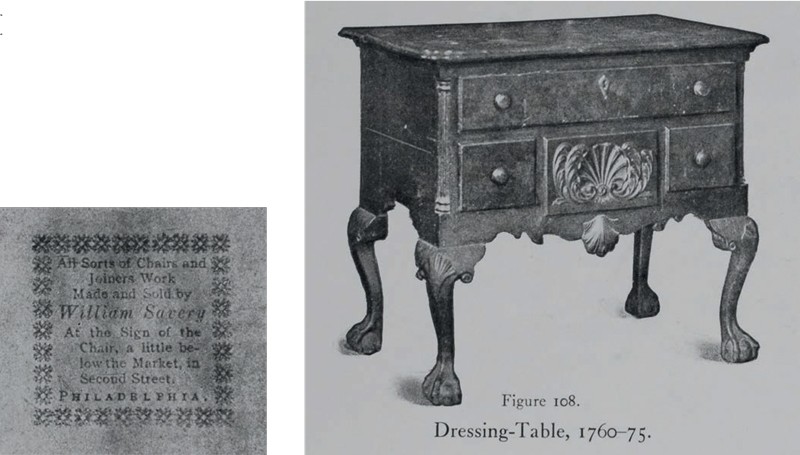
Figures 108 and 108a from Luke Vincent Lockwood, Colonial Furniture in America (New York: C. Scribner’s Sons, 1913), p. 110.
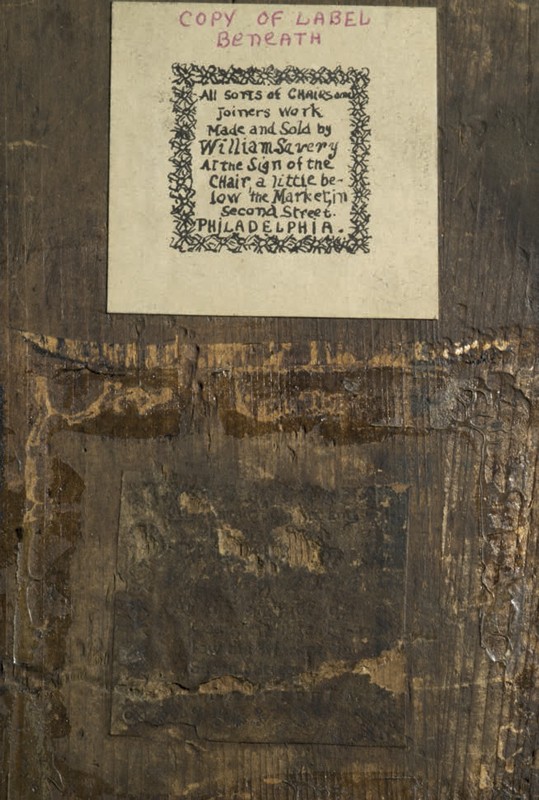
Detail of the late 1770s label attached to the bottom of the top drawer of the dressing table illustrated in fig. 3.
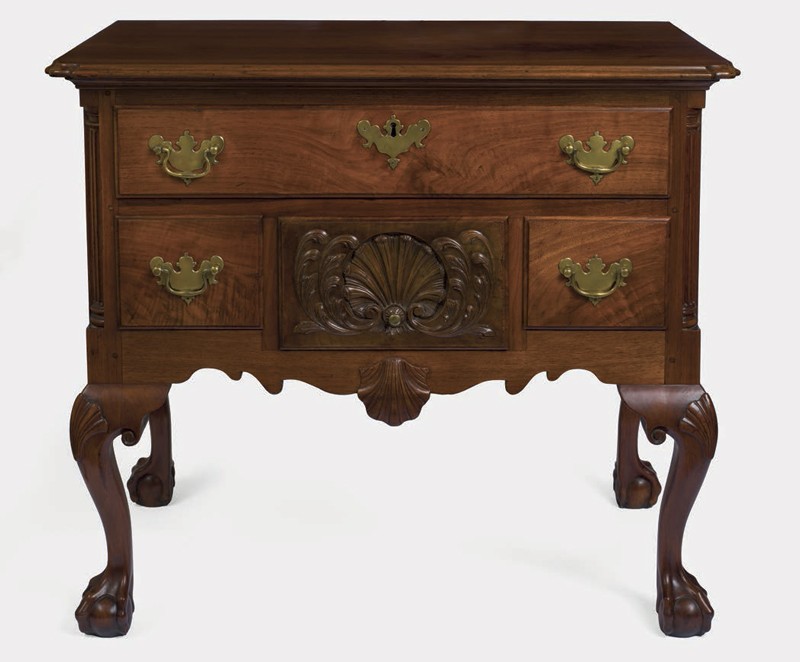
Dressing table by William Savery, Philadelphia, Pennsylvania, late 1770s. Walnut with tulip poplar and white cedar. H. 30 3/4", W. 34 5/8", D. 21 1/4". (Courtesy, Van Cortlandt House Museum and the National Society of Colonial Dames in the State of New York; photo, Andrew Davis.)
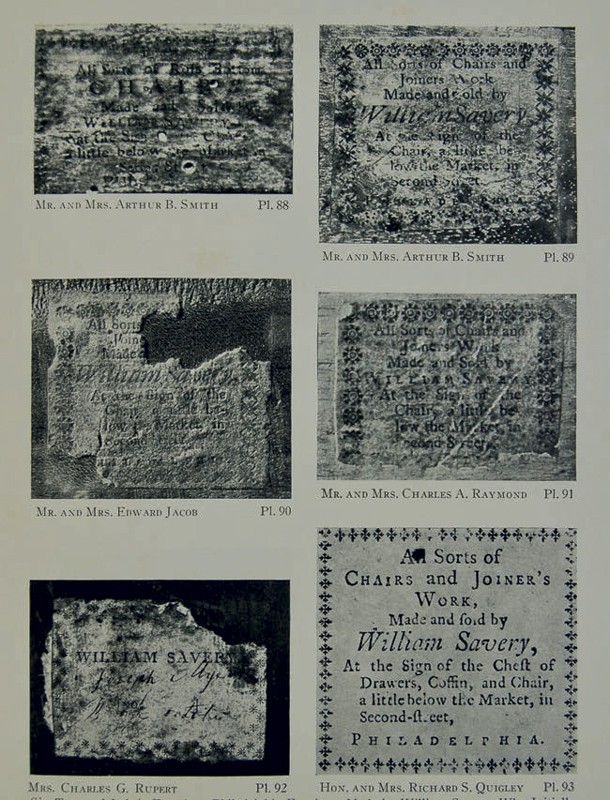
Plates 88–93 from William Macpherson Hornor, Jr., Blue Book, Philadelphia Furniture (Philadelphia: privately printed, 1935), showing six Savery labels.
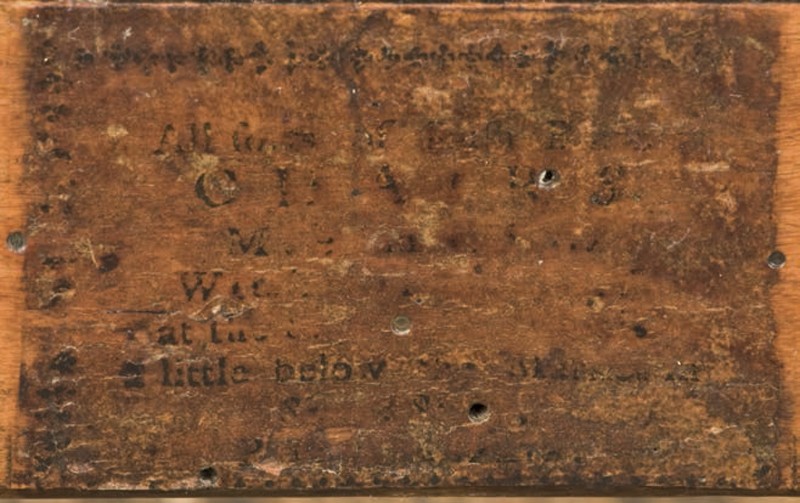
Detail of the ca. 1760 label on the side chair illustrated in fig. 6. This label is pl. 88 in Hornor’s Blue Book.
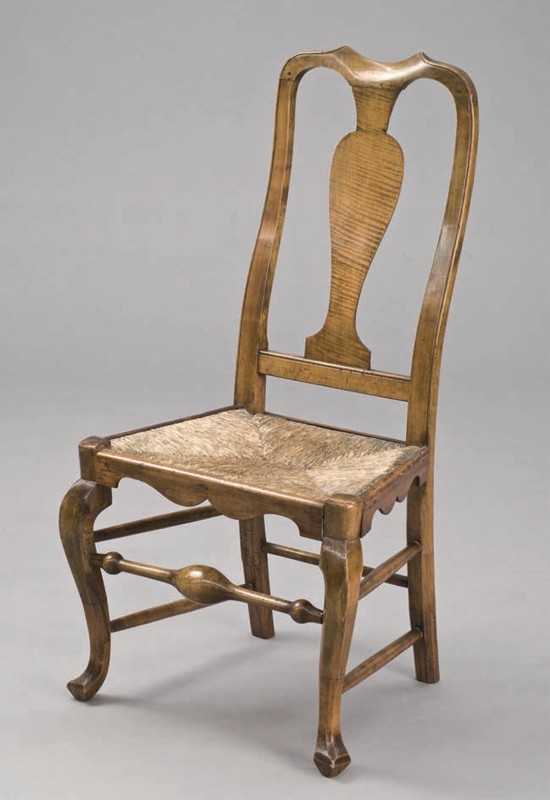
Side chair by William Savery, Philadelphia, Pennsylvania, ca. 1760. Maple. (Private collection; photo, Dallas Auction Gallery.)
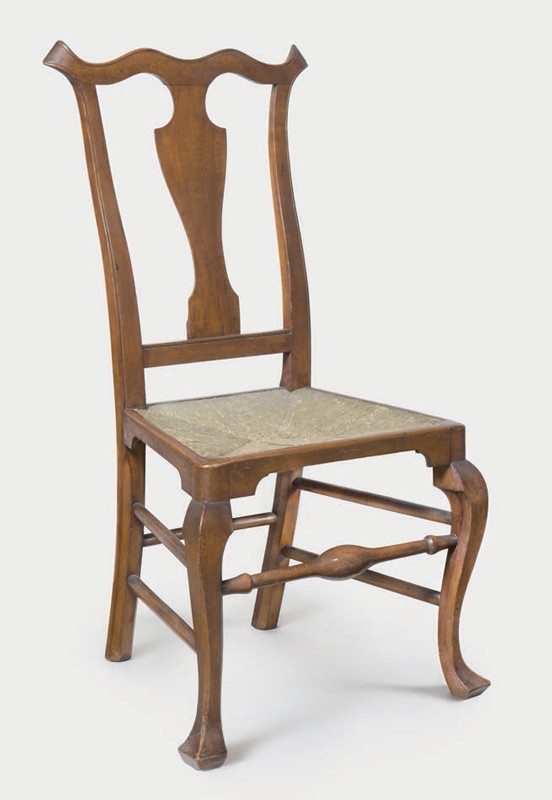
Side chair by William Savery, Philadelphia, Pennsylvania, ca. 1775. Maple with Atlantic white cedar. H. 40 1/8", W. 21 7/8", D. 19 3/4". (Courtesy, Dietrich American Foundation; photo, Gavin Ashworth.)
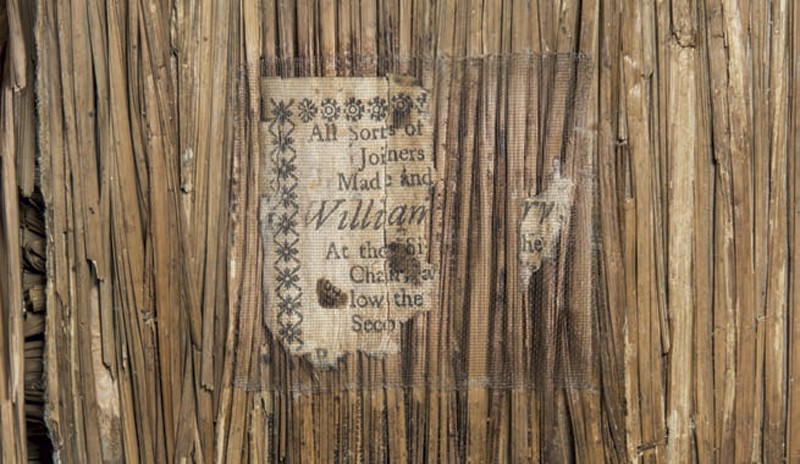
Detail of the ca. 1775 label on the side chair illustrated in fig. 7. The label is attached to the underside of the rush seat.
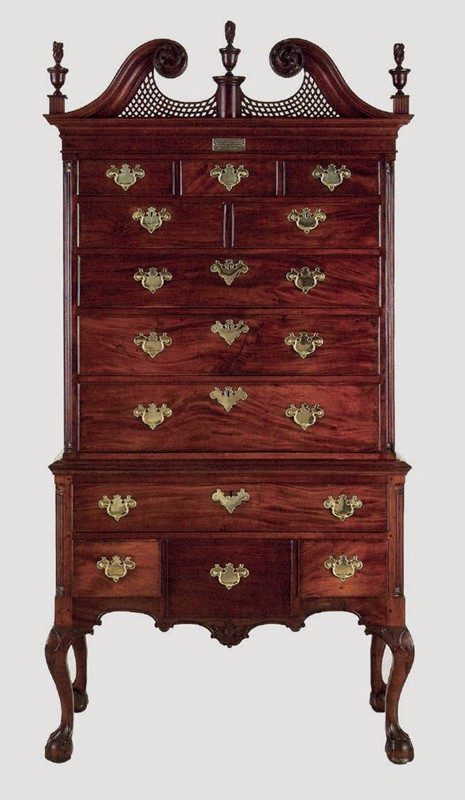
High chest of drawers by William Savery, Philadelphia, Pennsylvania, ca. 1780. Mahogany. H. 94", W. 45", D. 24". (Private collection; photo, Sotheby’s)
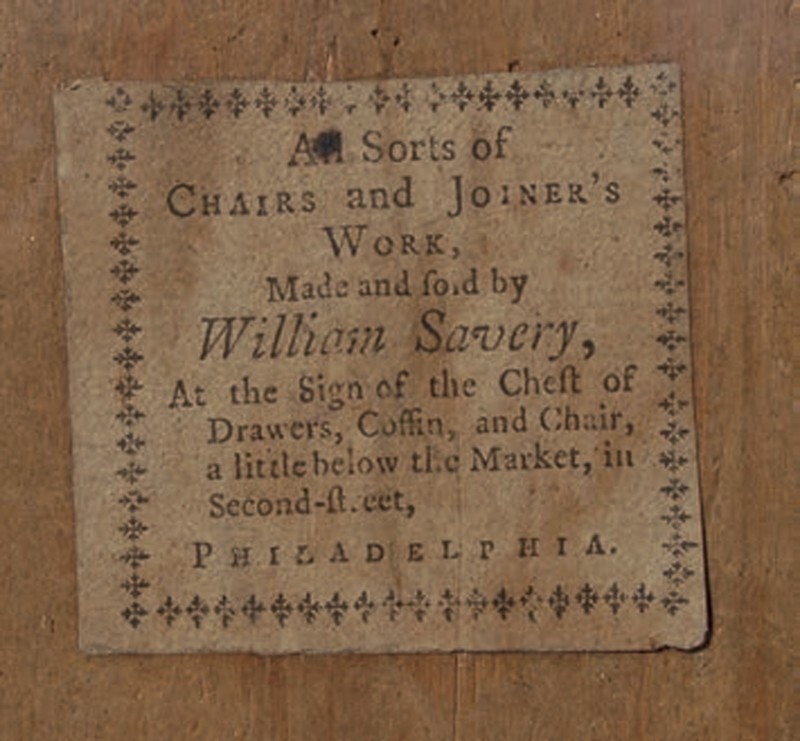
Label for William Savery’s shop at the “Sign of the Chest of Drawers,” Philadelphia, Pennsylvania, ca. 1780. William Hornor published this label with the high chest illustrated in fig. 9, although it is on a slant-lid desk. The high chest bears a different strike of the same label. This label is pl. 93 in Hornor’s Blue Book.
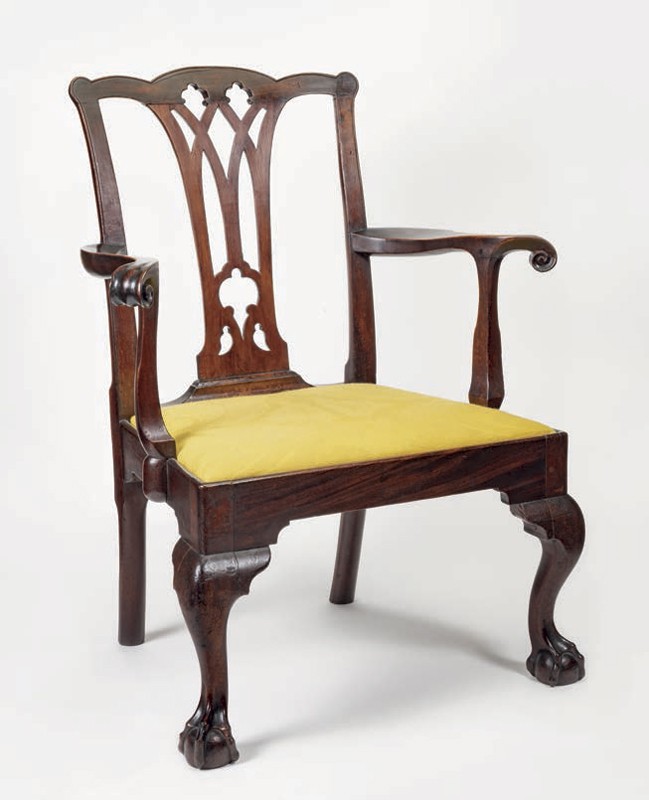
Armchair by William Savery, Philadelphia, Pennsylvania, ca. 1780. Mahogany, with tulip poplar, hard pine, and white cedar. H. 37 3/4", W. 30 1/2", D. 24 1/8". (Courtesy, Winterthur Museum; photo, James Schneck.)
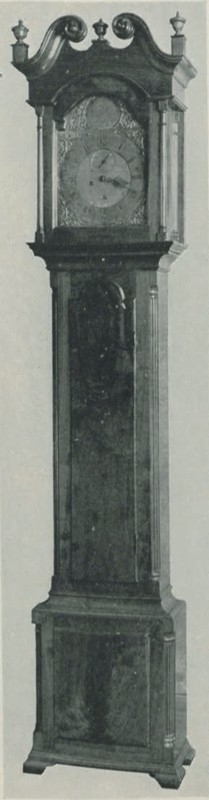
Tall clock case by William Savery, Philadelphia, Pennsylvania ca. 1780. (Antiques 14, no. 3 [October 1928]: 310.)
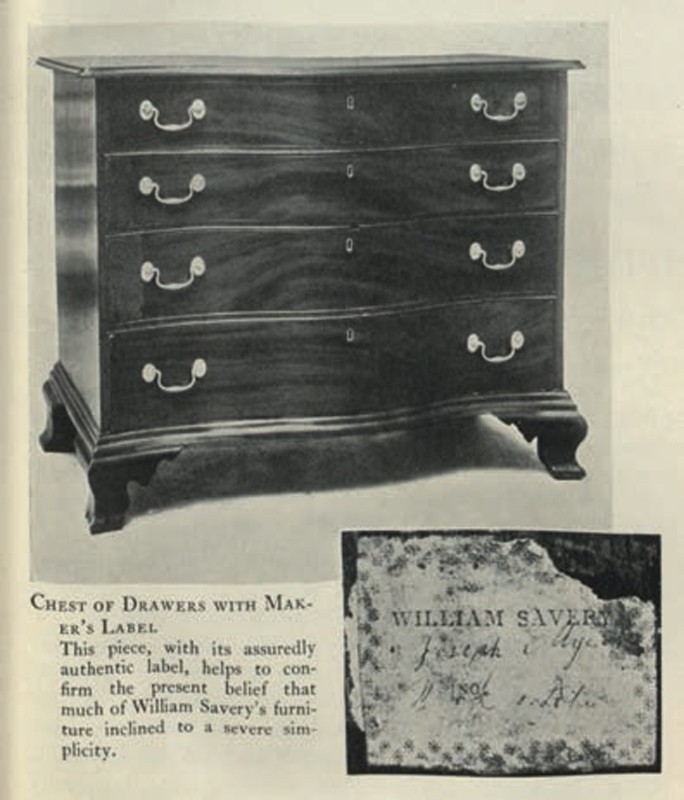
Chest of drawers by William Savery, Philadelphia, Pennsylvania, ca. 1785. (Antiques 9, no. 2 [February 1926]: 77.)
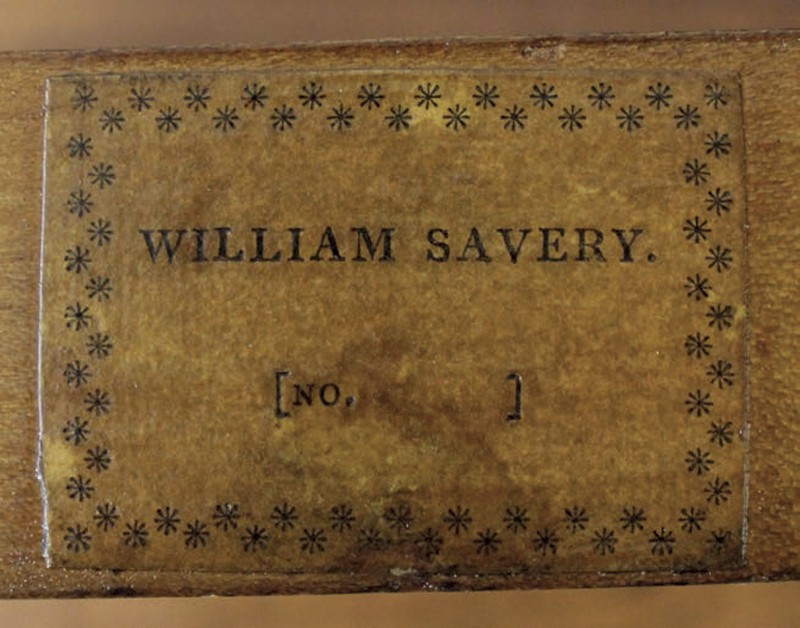
Detail of the ca. 1785 label on the till of the chest illustrated in fig. 25. This label has Savery’s name only and is the same version illustrated as pl. 92 in Hornor’s Blue Book.
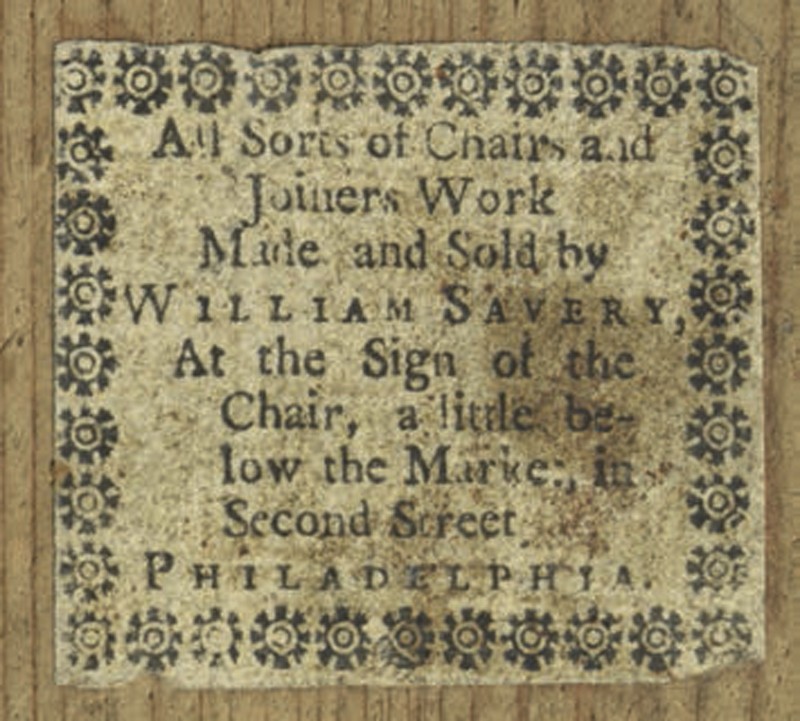
Detail of the ca. 1765 label on the desk illustrated in fig. 22. This label, which references joiners work and has Savery’s name in block letters, is pl. 91 in Hornor’s Blue Book.
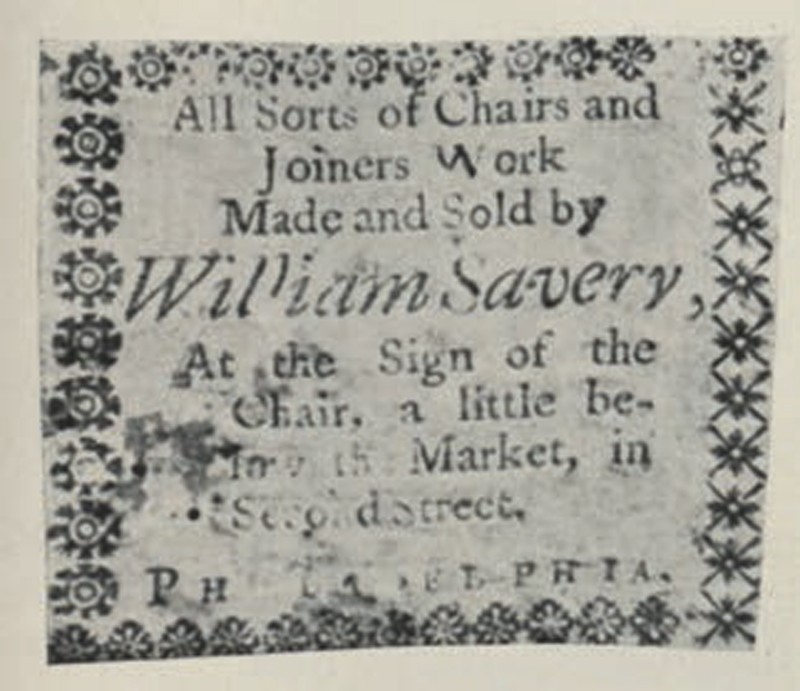
Label of William Savery, Philadelphia, Pennsylvania, ca. 1765. This label, which references joiners work and has Savery’s name in italics and dingbat pattern 1, is pl. 90 in Hornor’s Blue Book. From Samuel T. Freeman and Co., The James Curran Collection of Rare Eighteenth-Century American Furniture, Philadelphia, March 11–12, 1940, lot 297.
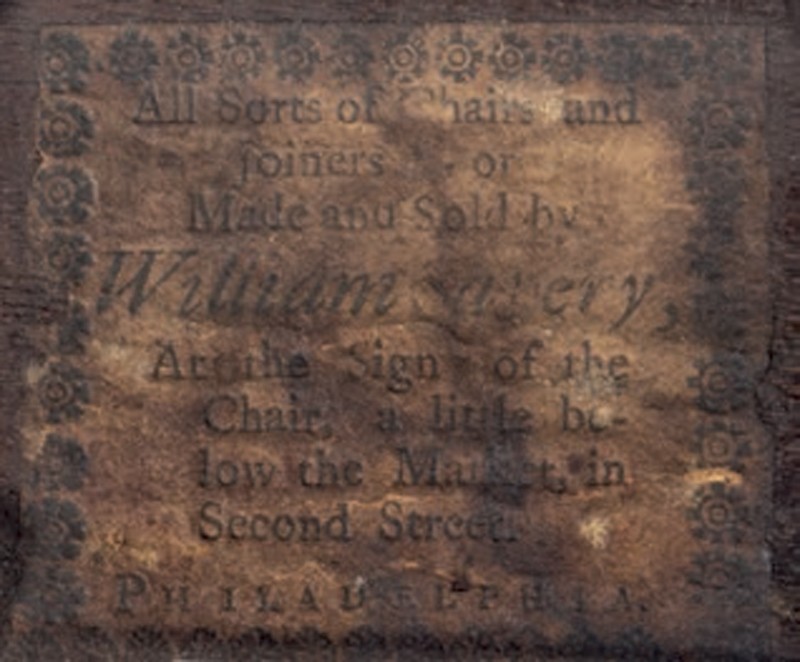
Detail of the ca. 1770 label on the inside rear seat rail of the armchair illustrated in fig. 24. This label references joiners work and has Savery’s name in italics and dingbat pattern 2.
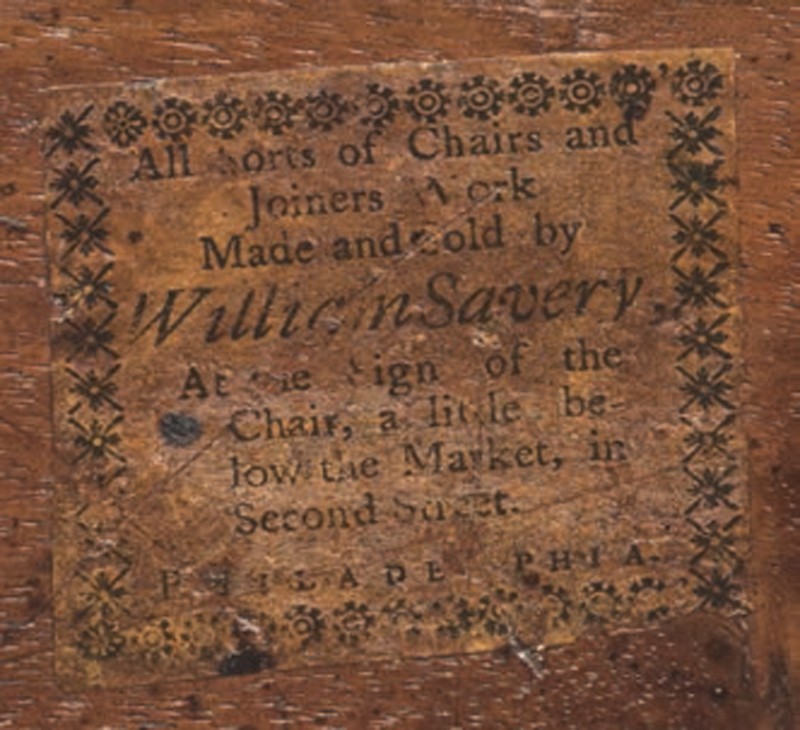
Label of William Savery, Philadelphia, Pennsylvania, ca. 1775. This label, which references joiners work and has Savery’s name in italics and dingbat pattern 3, is pl. 89 in Hornor’s Blue Book. It is on a desk. (Courtesy, Historic Odessa Foundation.)
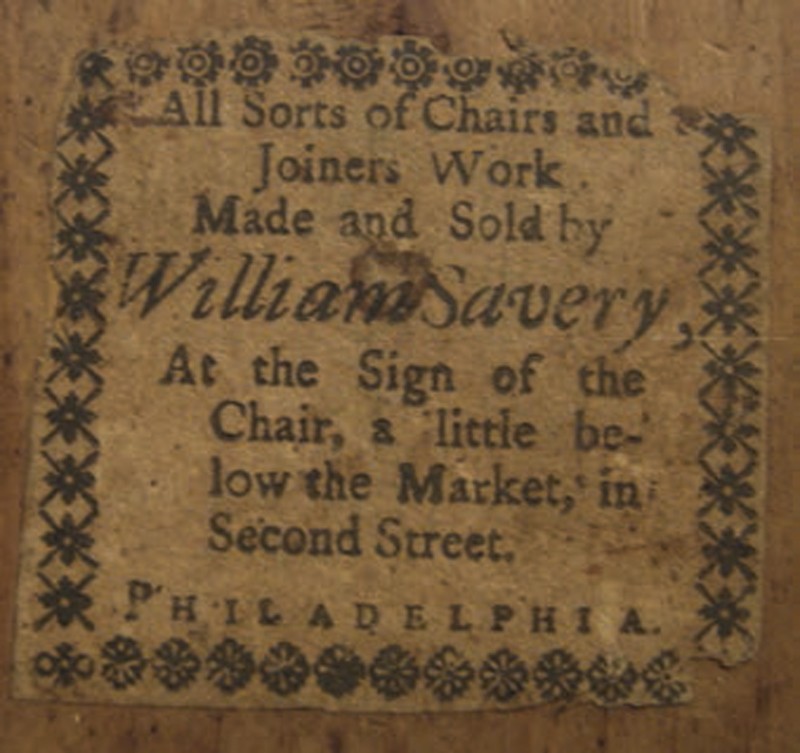
Label of William Savery, Philadelphia, Pennsylvania, late 1770s. This label, which references joiners work and has Savery’s name in italics and dingbat pattern 4, is from a privately owned desk. (Privately collection; photo by the author.)
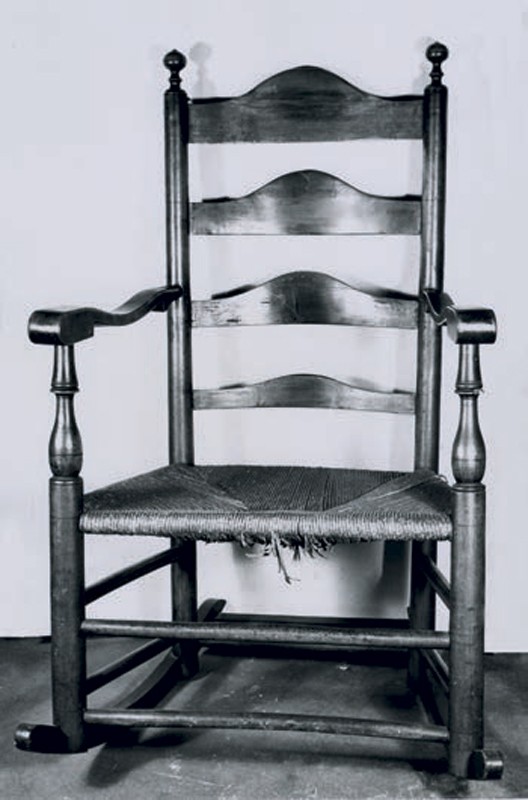
Armchair by William Savery, Philadelphia, Pennsylvania, ca. 1765. Woods and dimensions not recorded. (Courtesy, Winterthur Decorative Arts Photographic Collection, 64.1766.)
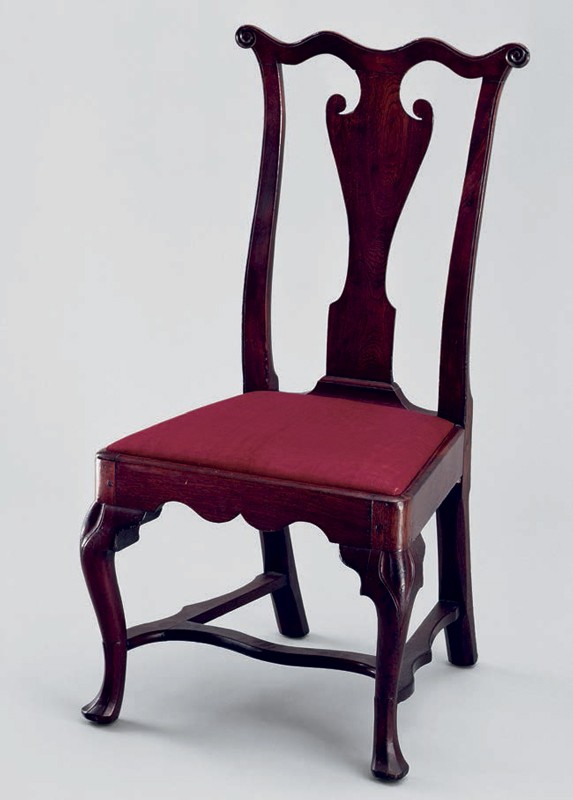
Side chair by William Savery, Philadelphia, Pennsylvania, ca. 1765. Walnut. H. 39", W. 21", D. 20 1/4". (Courtesy, Colonial Williamsburg Foundation.)
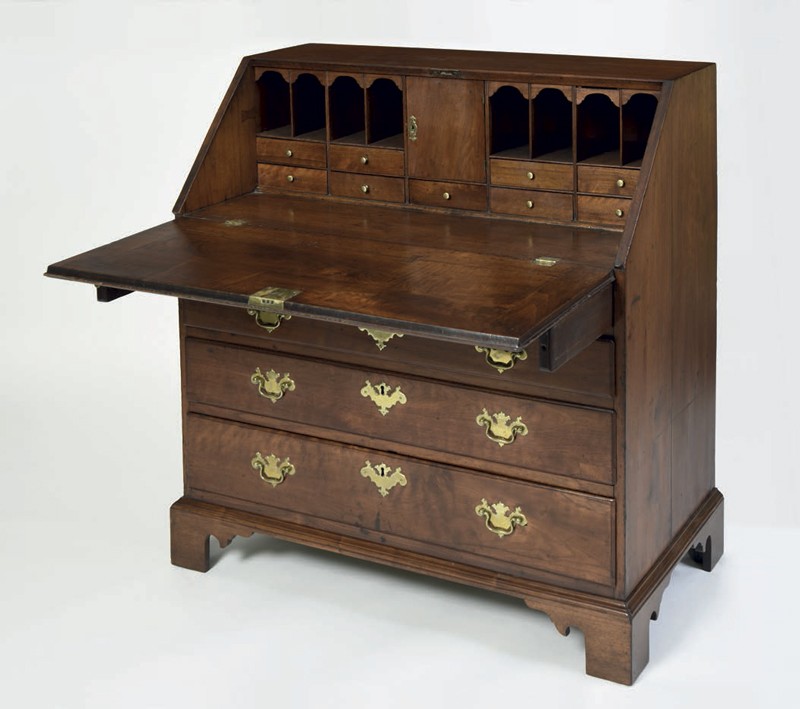
Desk by William Savery, Philadelphia, Pennsylvania, ca. 1765. Walnut with tulip poplar and white cedar. H. 41 3/4", W. 38", D. 20 1/2". (Courtesy, Chester County Historical Society.)
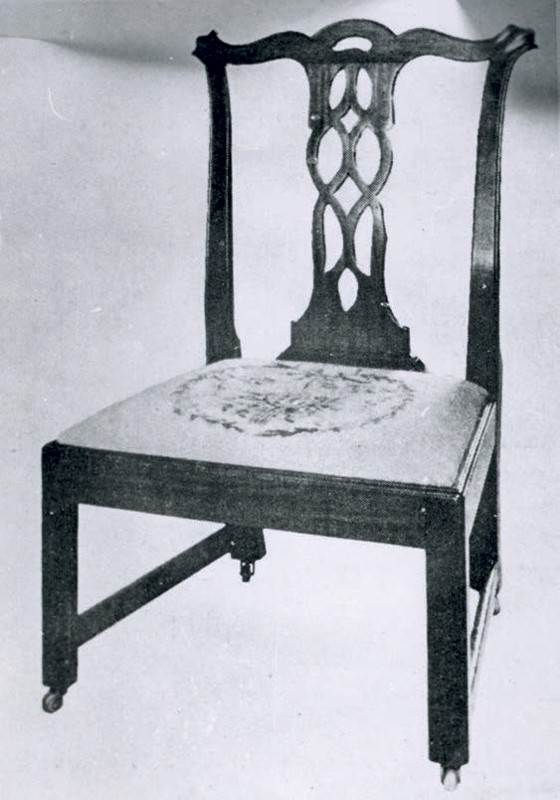
Side chair by William Savery, Philadelphia, Pennsylvania, late 1760s. (Courtesy, Winterthur Decorative Arts Photographic Collection, 64.1713.)
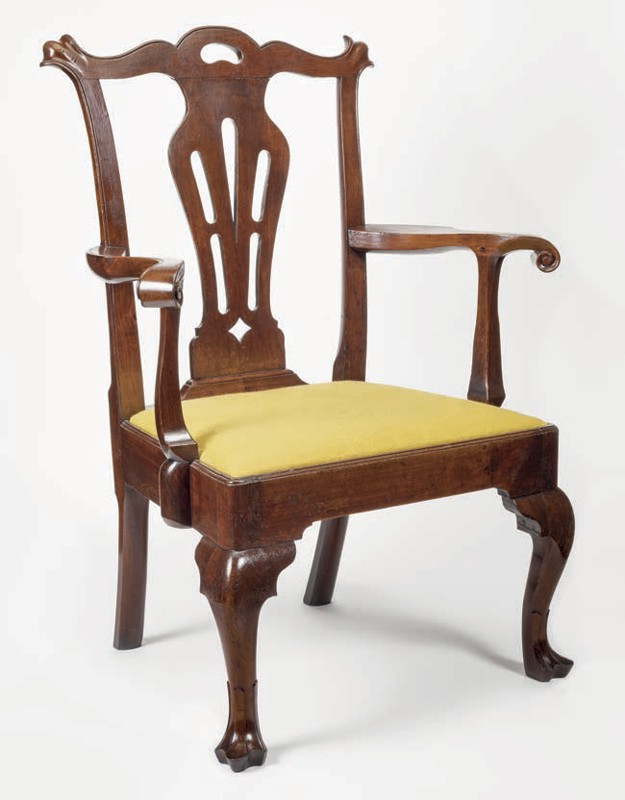
Armchair by William Savery, Philadelphia, Pennsylvania, ca. 1770. Walnut with yellow pine. H. 40", W. 29 1/4", D. 22 1/2". (Courtesy, Winterthur Museum; photo, James Schneck.)
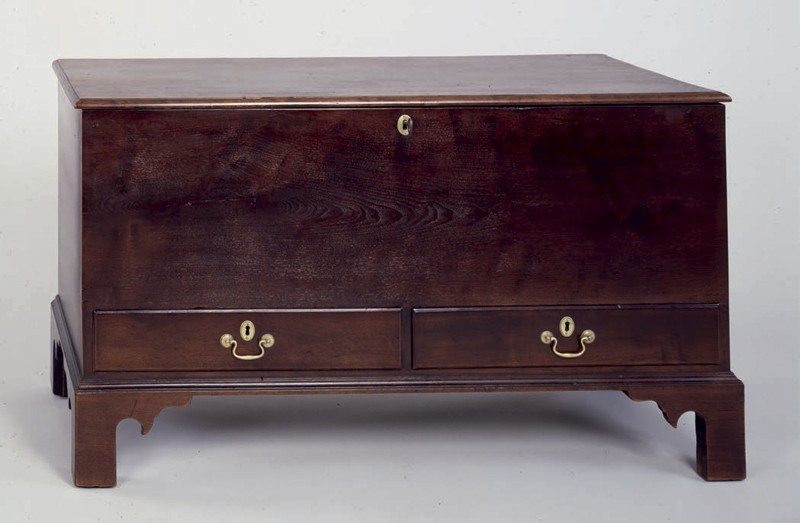
Blanket chest by William Savery, Philadelphia, Pennsylvania, ca. 1785. Walnut with tulip poplar and maple. H. 28 3/8", W. 48 1/4", D. 20 5/8". (Courtesy, Biggs Museum of American Art; photo, Carson Zullinger.)
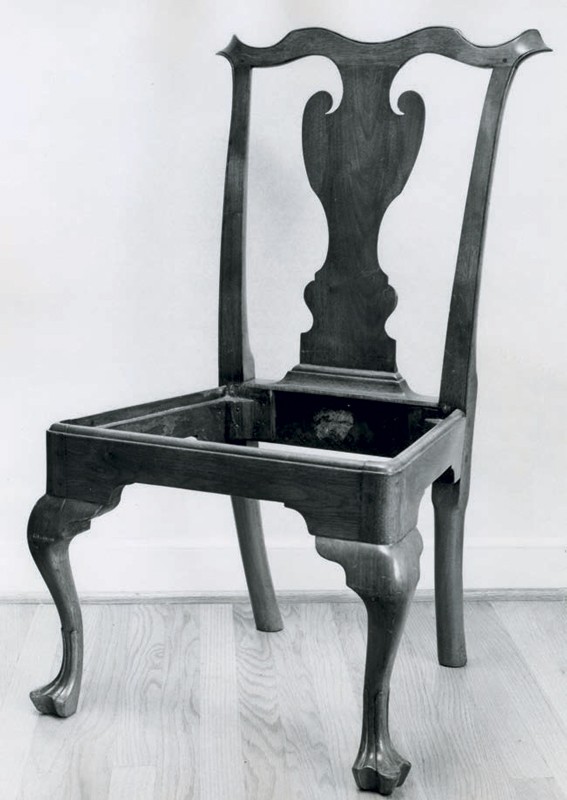
Side chair by William Savery, Philadelphia, Pennsylvania, ca. 1785. (Courtesy, Winterthur Decorative Arts Photographic Collection, 1976.1036.)